
Bjergsted Organizing Committee
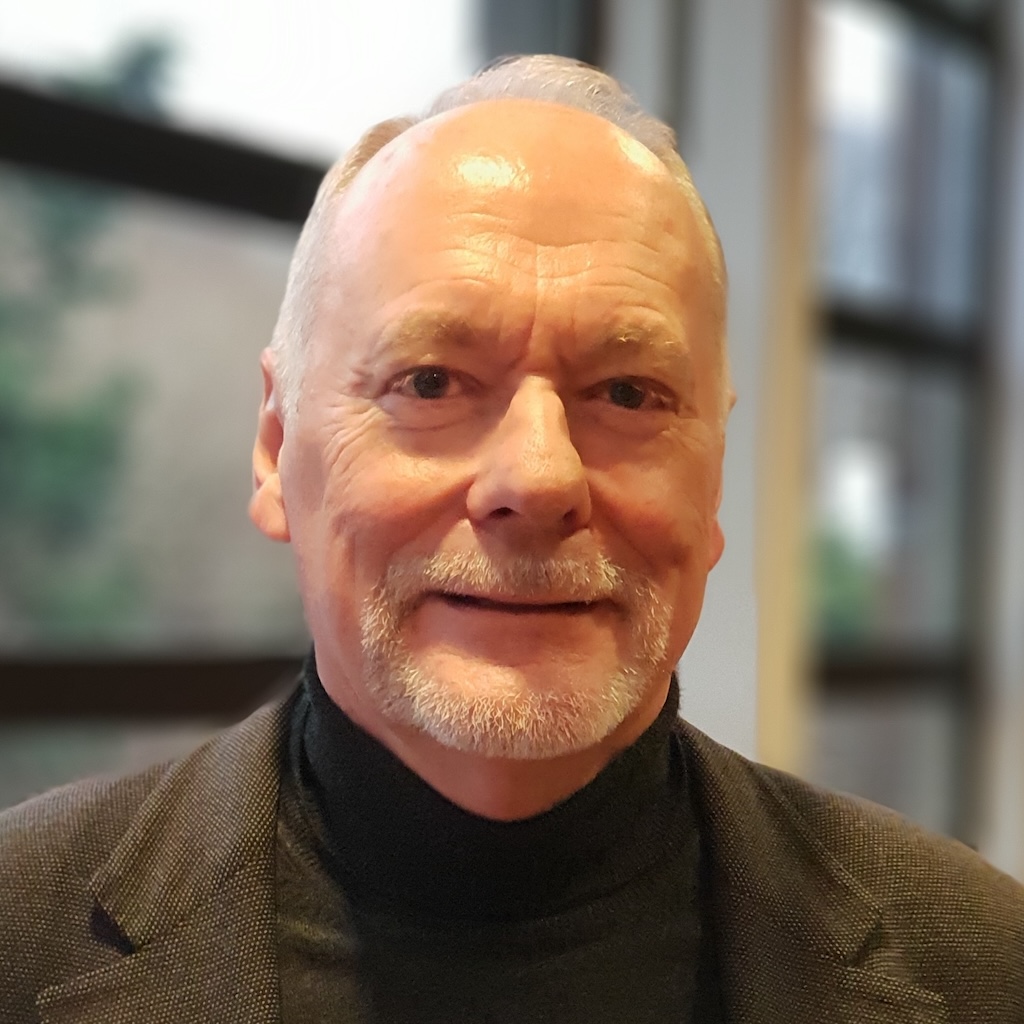
Per Dahl (Chair)
University of Stavanger (NO)
Per Dahl studied at the University of Trondheim, Norway (musicology, philosophy, and psychology). He was a flautist in the professional military band in Trondheim (1975–77) and has been working in Stavanger since 1979 (Music Conservatoire, now Faculty of Performing Arts, University of Stavanger). He served as rector at Stavanger University College from 2000 to 2003 and was a consultant to the Norwegian Institute of Recorded Sound from 1985 to 2023. He has written several articles and book chapters on Stravinsky’s religious music and music criticism, as well as books on Applied Music Aesthetics and Music Analysis. In English, he published “Music and Knowledge: A Performer’s Perspective” (2017), “Modes of Communication in Stravinsky’s Works: Sign and Expression” (2022), and “Just Play the Notes! Notation and Interpretation from a Performer’s Perspective” (2026).
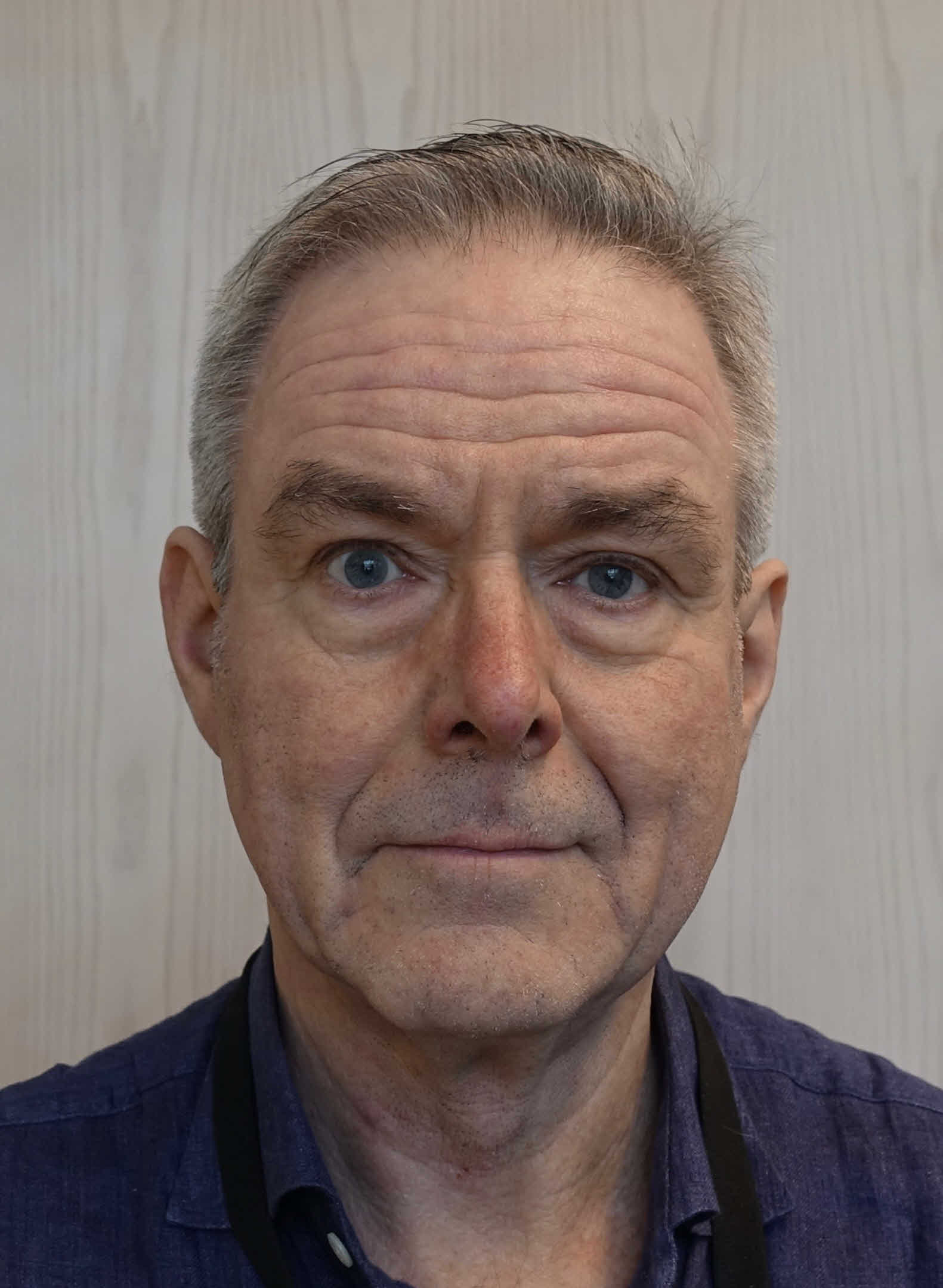
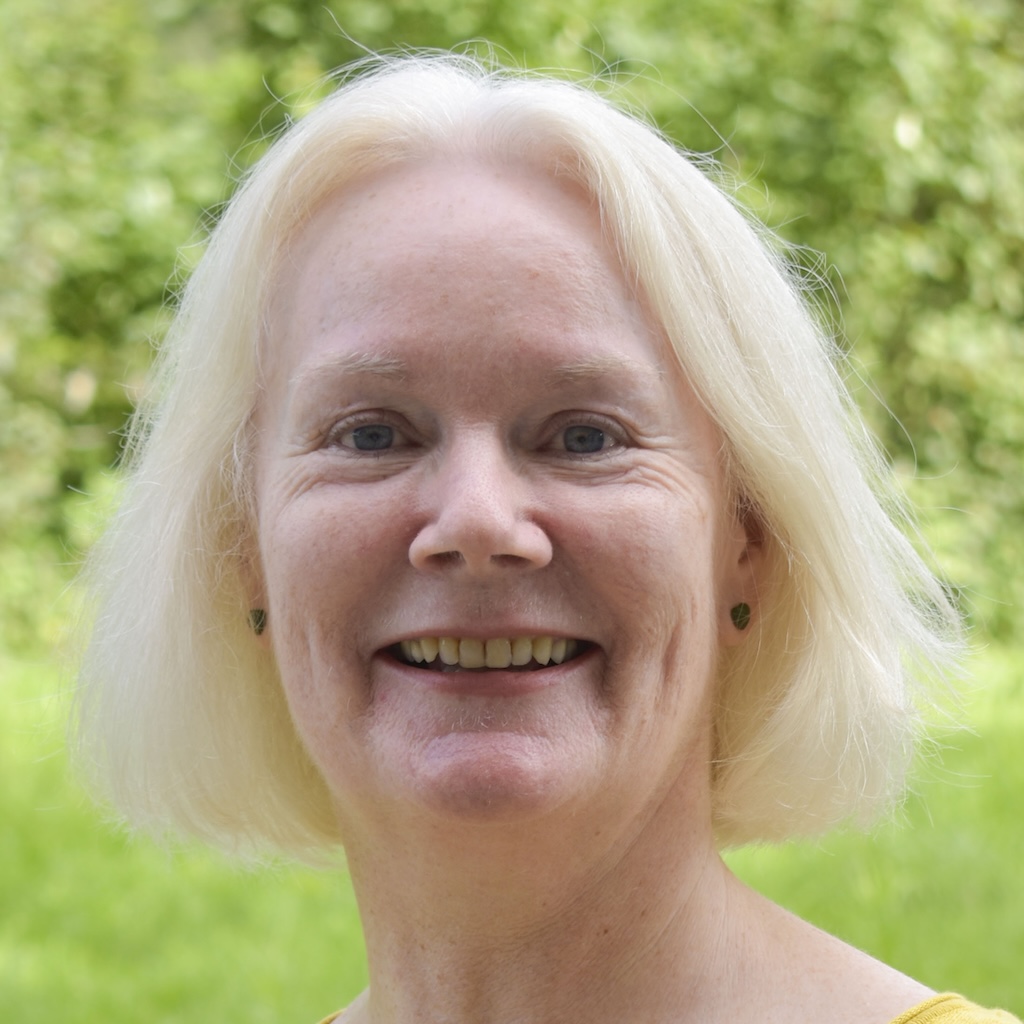
Lise K. Meling
University of Stavanger (NO)
Lise Karin Meling is professor of music history at the Faculty of Performing Arts, University of Stavanger (NO). Her research covers early music studies and gender perspectives in music history, with a particular emphasis on women composers and their social and professional roles in the eighteenth and nineteenth centuries. Her recent work explores the gendered history of musical instruments, particularly keyboard instruments during this period. She has published extensively, including peer-reviewed articles and music history textbooks. Additionally, she is an active harpsichordist, performing and advocating for previously overlooked repertoire by women composers.
Tarjei Nygård
University of Stavanger (NO)
Tarjei Nygård is a Norwegian cultural professional with over twenty-five years of experience in concert and festival production. He currently serves as Producer and Technician at the Faculty of Performing Arts, University of Stavanger. Nygård has held key leadership roles as artistic director of Perkapella Festival and Festival Manager for Numusic Festival, and has coordinated sound and production for museum exhibitions, academic installations, and large-scale live events. His work spans numerous performances and festivals across Norway and Europe, bringing extensive expertise in live event management, technical production, and cultural programing.


Grete Straume
Stavanger Concert Hall (NO)
Grete Straume has worked at Stavanger Concert Hall since its opening in 2012, serving as head of marketing and communications. She has extensive experience in the cultural sector and arts administration, supported by a broad academic background in arts, culture, media, and communication. Grete is deeply engaged with the cultural field overall, with particular passion for music, contemporary dance, and visual art. She strongly believes in culture as an inclusive and vital force in society and has a keen interest in audience development.
Ole Unger Weierholt
Visit Region Stavanger CVB (NO)
Ole Unger Weierholt works as sales manager MICE at Region Stavanger Convention Bureau and is a member of the bid committee for the Quinquennial IMS Congress 2027. He works with international conferences and major events, supporting organizers in developing strong and sustainable bids. His experience in cross-sector collaboration and stakeholder coordination contributes to strategic destination planning, venue coordination, and overall congress delivery.
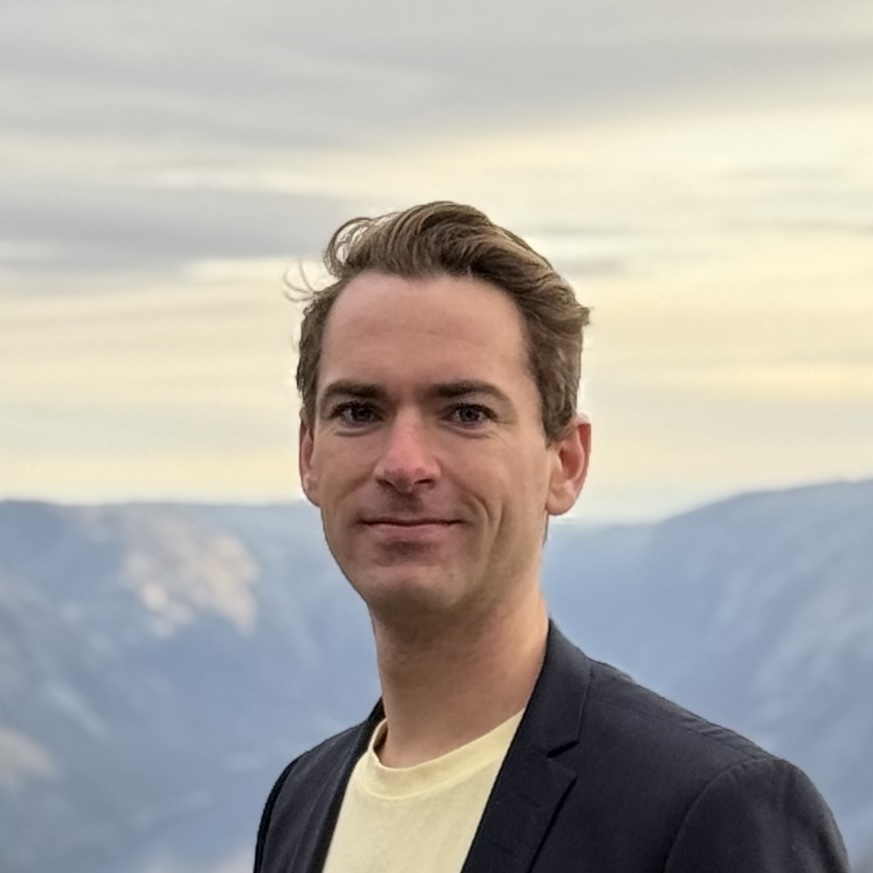

Friederike Wildschütz
University of Stavanger (NO)
Friederike Wildschütz is an associate professor of accompaniment at the Faculty of Performing Arts, University of Stavanger, where she also functions as vice dean for education. As a collaborative pianist, her artistic and research interests focus on the German Lied and French mélodies of the late nineteenth and early twentieth centuries, with a strong dedication to promoting works by women composers. She completed an artistic research fellowship on Arnold Schönberg’s Das Buch der hängenden Gärten and remains an active performer in chamber music and art song.
National Organizing Committee

Program Committee
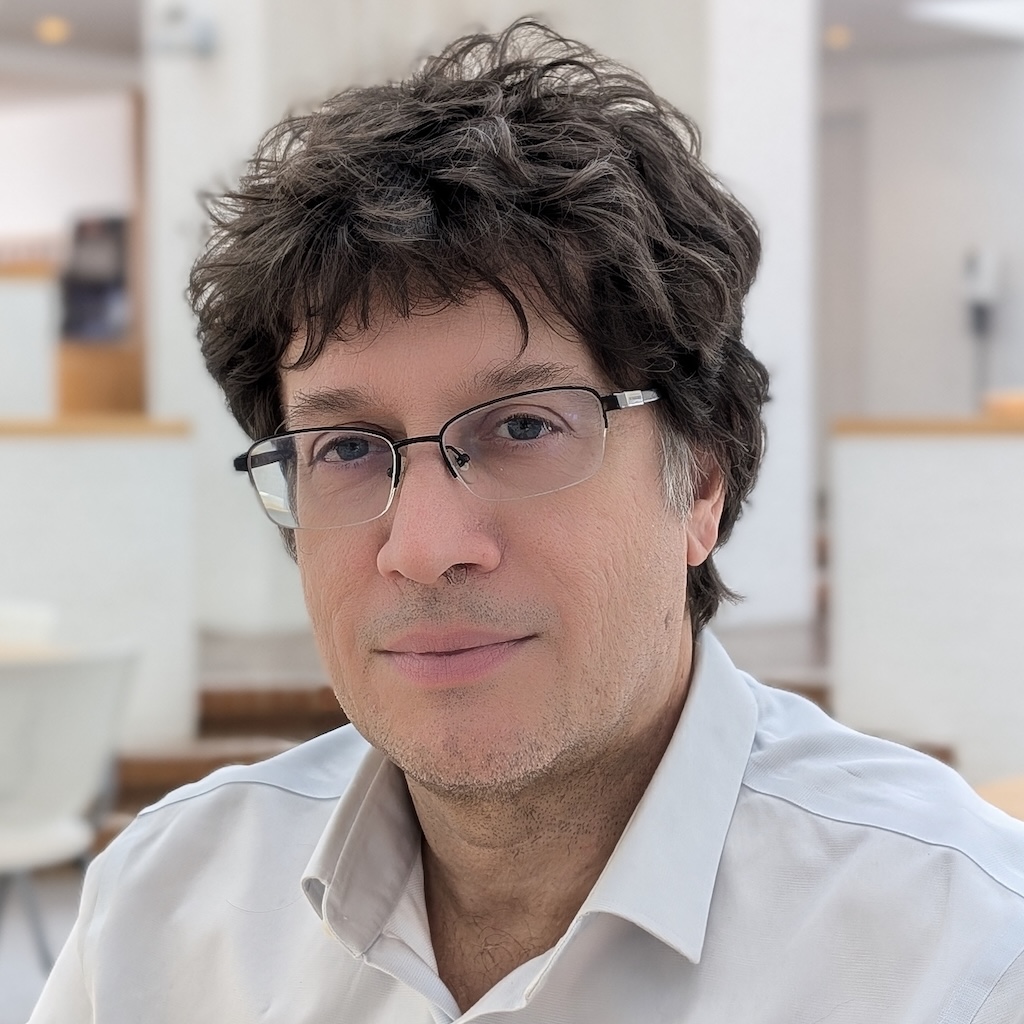
Giorgio Biancorosso (Co-Chair)
University of Hong Kong (HK)
Giorgio Biancorosso’s work investigates the boundaries of music and sound in the theater, cinema and digital media. He is the author of Situated Listening: The Sound of Absorption in Classical Cinema (Oxford University Press, 2016) and Remixing Wong Kar Wai: Music, Bricolage, and the Aesthetics of Oblivion (Duke University Press, 2024). Biancorosso is the co-founder and editor of the journal SSS (Sound-Stage-Screen), the co-editor of Scoring Italian Cinema: Patterns of Collaboration (Routledge, 2025), and he is currently also working on an anthology tentatively called Maria Callas: Mediations, Iterations, and Memesis. Biancorosso is professor of music and inaugural director of the Society of Fellows at the University of Hong Kong. He was 2024–25 Luce East Asia Fellow in Musicology at the National Humanities Center, N.C.
Judith I. Haug (Co-Chair)
University of Oslo (NO)
Judith I. Haug is associate professor of music history before 1900 and head of research training in music at the University of Oslo. She received her PhD at the University of Tübingen. Prior to joining Oslo’s faculty, she was responsible for coordinating the musicology research area at the Orient-Institut Istanbul. Haug has published widely on music in Ottoman culture (Ottoman and European Music in ʿAlī Ufuḳī’s Compendium, MS Turc 292: Analysis, Interpretation, Cultural Context, 2019), as well as Ottoman-European musical exchanges in transcultural context. Her current research investigates the perception of othered sounds in the circumpolar region. She is also the Grants Awarding Coordinator of the COST Action EarlyMuse.
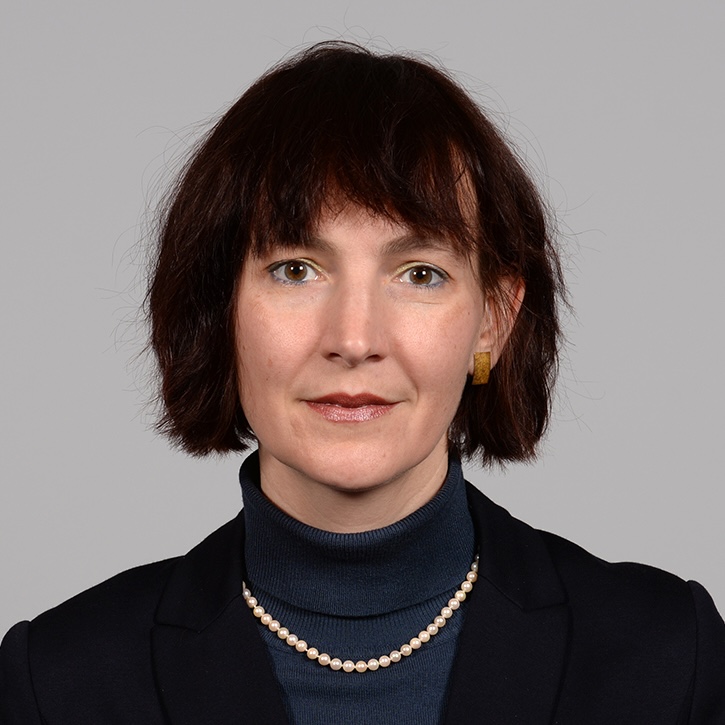
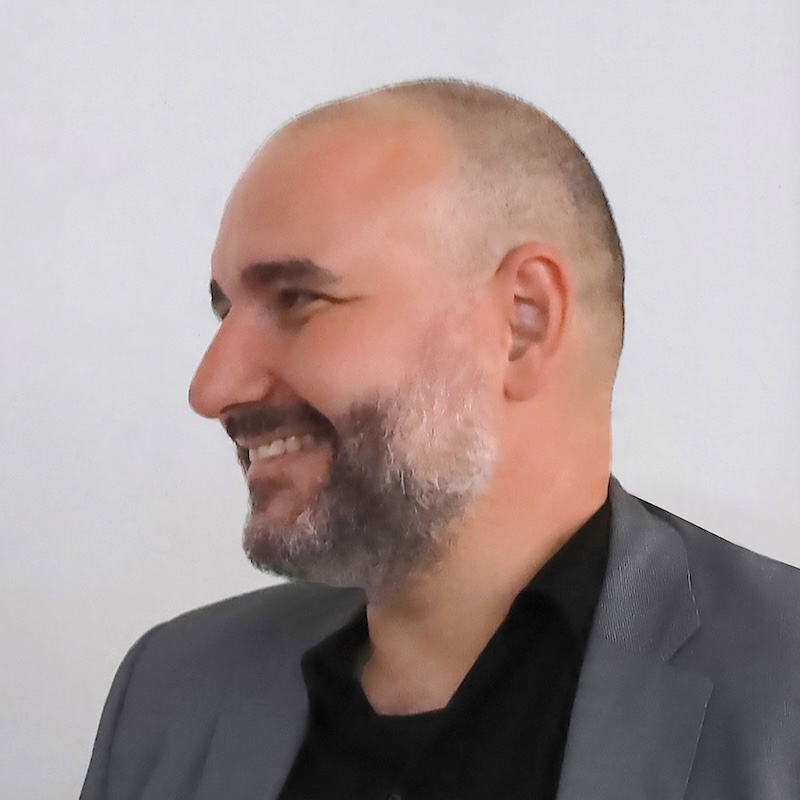
Pavlos Antoniadis
University of Ioannina (GR)
Pavlos Antoniadis is a creative technologist, pianist and musicologist, currently associate professor at the University of Ioannina and research collaborator of ismm at IRCAM, Paris. He holds a prize-winning PhD from the University of Strasbourg and IRCAM, an MA from the University of California, San Diego, as a Fulbright Scholar, and an Integrated master’s from the Department of Music Studies, University of Athens. He has conducted post-doctoral research at EUR-ArTeC, Université Paris 8 and at TU-Audiokommunikation Berlin as a Humboldt Stiftung Fellow. Next to research and teaching, he has performed in Europe, North and South America and Asia, with new music ensembles and as a soloist. He has recorded for MODE (2015 German Recording Critics Award), WERGO and Diatribe records.
Camilla Cavicchi
University of Tours (FR)
Camilla Cavicchi is a musicologist at the Centre National de la Recherche Scientifique, working at the Centre d’Études Supérieures de la Renaissance in Tours (France). She has been a visiting scholar at the Italian Academy—Columbia University and at Villa I Tatti—The Harvard Center for Renaissance Studies in Florence. She has worked at the universities of Bologna, Padua, Montpellier, and Brussels. Her publications are characterized by a multidisciplinary approach and focus on the history of Renaissance music in Europe and the Mediterranean, in particular: the history of European musical institutions, prosopography, orally transmitted repertoires (tarantism, singers of tales, barbers), and the relationships between music and territories (France, Belgium, Italy, and Africa). She works on several projects aimed at enhancing musical heritage in heritage cultural sites through the use of new technologies (Cubiculum musicae, MARY4ALL, Horizon PlaceMus XR). She co-founded and coordinates the IMS Study Group “Early African Sound Worlds.”
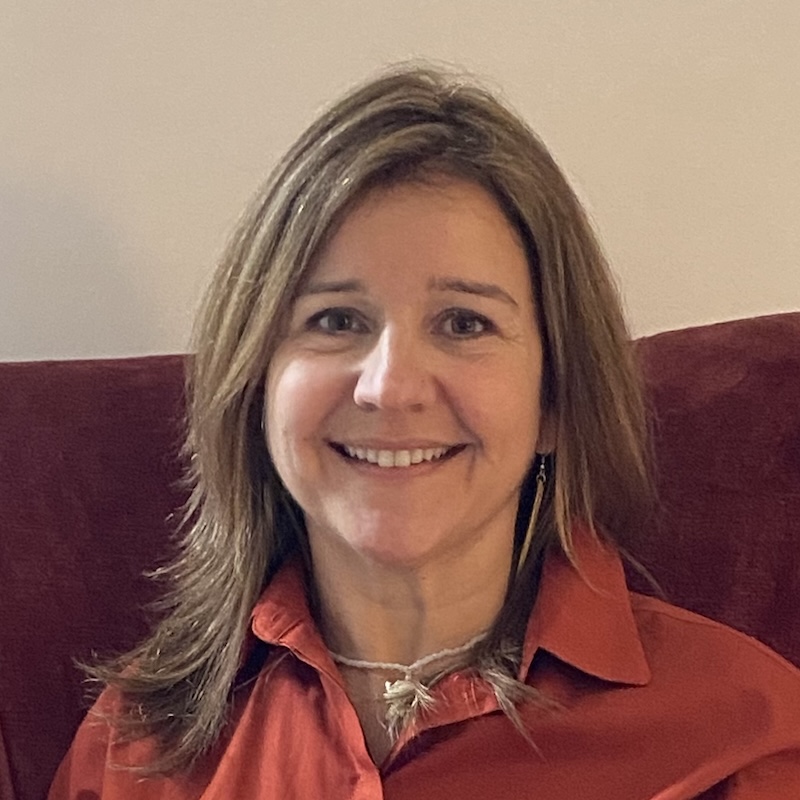
David Andrés Fernández
Complutense University of Madrid (ES)
David Andrés-Fernández earned his PhD from the Universidad de Zaragoza, and is currently an associate professor (tenured) at the Department of Musicology at the Universidad Complutense de Madrid, and an honorary research associate at the Music Department at the University of Bristol. He is the author of Mapping Processions: Four Sixteenth-century music manuscripts in Sydney. Edited with a foreword by Jane M. Hardie (The Institute of Medieval Music, 2018), co-author, with Alejandro Vera, of Los cantorales de la Catedral de Lima (Spanish National Award, Sociedad Española de Musicología, 2022), and is the principal investigator of the research project “Corpus Processionalium Hispanarum,” funded by the Spanish Research Council. He is also a research member of the “Resound” project (an ERC-Advanced grant), a research collaborator in the “Digital Analysis of Chant Transmission” project, and an advisory board member of the IMS Study Group “Cantus Planus.”
Fuyuko Fukunaka
Tokyo University of the Arts (JP)
Fuyuko Fukunaka obtained her PhD in historical musicology from the Graduate School of Arts and Sciences at New York University. Her research interests include twentieth-century opera, the reception of European avant-garde music in postwar Japan, and the crosscurrents between Cold War cultural politics and music. Her studies on these subjects have been published in Vocal Music and Contemporary Identities (Routledge, 2012), Aesthetics of Interculturality in East Asian Contemporary Music (The World of Music, 2017), Musical Entanglements Between Germany and East Asia (Palgrave Macmillan, 2021), and Global Musicology: Music History from Elsewhere (Palgrave Macmillan, 2025). She is currently a professor of musicology at the Tokyo University of the Arts.


John Gabriel
University of Melbourne (AU)
John Gabriel is senior lecturer and head of musicology and ethnomusicology at the University of Melbourne. He studied at the University of Chicago, Freie Universität Berlin, and Harvard University, and previously held position at the Peabody Conservatory (US) and University of Hong Kong. His research focuses on, but is by no means limited to German and Czech speaking Central Europe in the late-nineteenth and early-twentieth centuries. He is currently completing a monograph on the music theater of the New Objectivity, and recent publications have appeared in JRMA, Twentieth-Century Music, JSAM, and numerous edited volumes.
Juan Pablo González
Metropolitan Technological Institute of Medellín (CL)
Juan Pablo González is professor emeritus at Alberto Hurtado University (UAH), Chile, where he is director of the journal Contrapulso. He is chair of the Regional Association for Latin America and the Caribbean of the International Musicological Society (ARLAC/IMS) and the IMS Study Group “Popular Music.” His PhD in musicology is from the University of California, LA (1991). He has been a visiting professor at the University of Oviedo (2023), the Complutense University of Madrid (2023–24), and the Metropolitan Technological Institute of Medellín (2025–26). He is also a recipient of the MacGeorge Fellow of the University of Melbourne (2026). His three most recent books are: Thinking about Music from Latin America: Issues and Questions (with five editions in Chile, Argentina, Brazil, and the US until 2021); Música popular chilena de autor: Industria y ciudadanía a fines del siglo XX (2022, Pulsar Award); Música popular autoral de fines del siglo XX: Estudios Intermediales (2023).
Nicoletta Guidobaldi
University of Bologna (IT)
Nicoletta Guidobaldi is full professor of musicology and music history at the University of Bologna and director of the School of Specialization in Musical Heritage. Her research interests and publications focus on music iconography and on the cultural history and aesthetics of music during the Middle Ages and the Early Modern period; she currently leads the interdisciplinary Research project on “Musical Images and Sounds in the Courtly Residences of Renaissance Italy.” Co-founder and first chair of the IMS Study Group “Musical Iconography,” she is an editorial board member of Imago Musicae: International Yearbook of Music Iconography.
Vjera Katalinić
Croatian Academy of Sciences and Arts (HR)
Vjera Katalinić, musicologist. MA at University of Zagreb, PhD University of Vienna; scientist-emerita of the Croatian Academy of Sciences and Arts in Zagreb; full professor at the University of Zagreb, Music Academy, president of the Croatian Musicological Society (2007–13; 2019–25). Fields of her interest: musical culture, mobility and networks of music and musicians in the eighteenth to nineteenth centuries, music archives in Croatia. Published five books, some 250 articles; edited thirteen proceedings, eight monograph editions and eight music scores. Involved in the CRF project “Institutionalization of Modern Bourgeois Musical Culture in the
19th Century in Civil Croatia and Military Frontier” (2021–26).
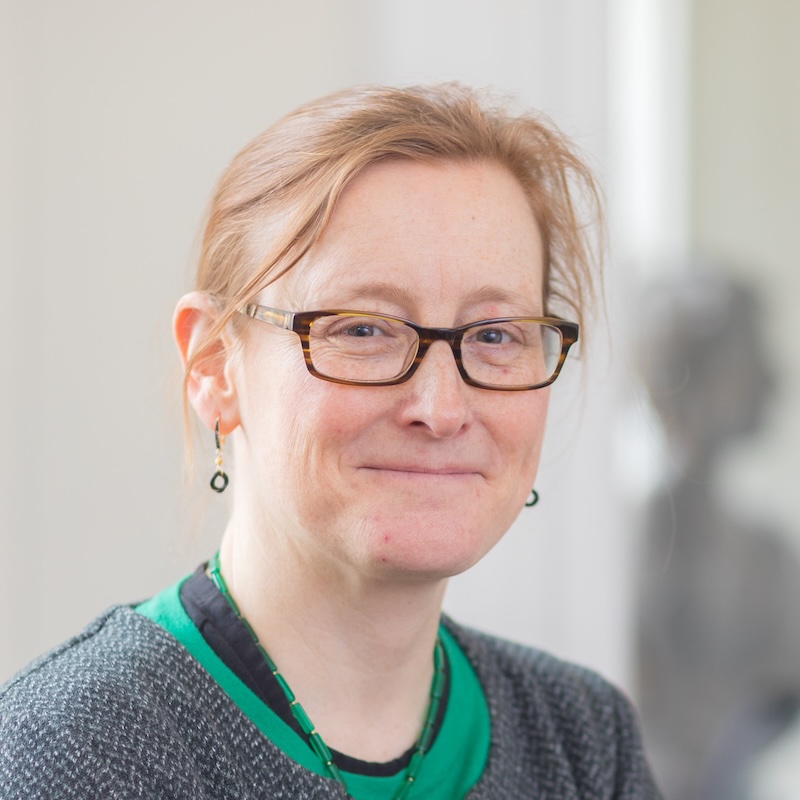
Elizabeth Eva Leach
University of Oxford (UK)
Elizabeth Eva Leach is professor of music at the University of Oxford and a fellow of the British Academy. Leach has written extensively on late-medieval music, poetry, and performance, particularly on birdsong and nature, and on the works of Guillaume de Machaut. Leach’s 2023 book, Medieval Sex Lives (Cornell University Press), investigates the place and meanings of song and dance in various courtly leisure contexts, including feasting, tournaments, and love-making. Co-written with Jonathan Morton, a more recent monograph, Performing Desire (Cornell University Press, 2025) hazards a performative reading of Richard de Fournival’s Bestiaire d’amours. Many of Leach’s articles and chapters are available for free download via https://eeleach.blog
Melanie Lowe
Vanderbilt University
Blair School of Music (US)
Melanie Lowe is associate professor of musicology at Vanderbilt University. Her research focuses on constructions of musical meaning, from topic theory in late eighteenth-century music to uses of classical music in twenty-first-century media. She is the author of Pleasure and Meaning in the Classical Symphony and co-editor of Rethinking Difference in Music Scholarship. Editor-in-chief of the Journal of Musicology Pedagogy, she is also deeply committed to the scholarship of teaching and learning.

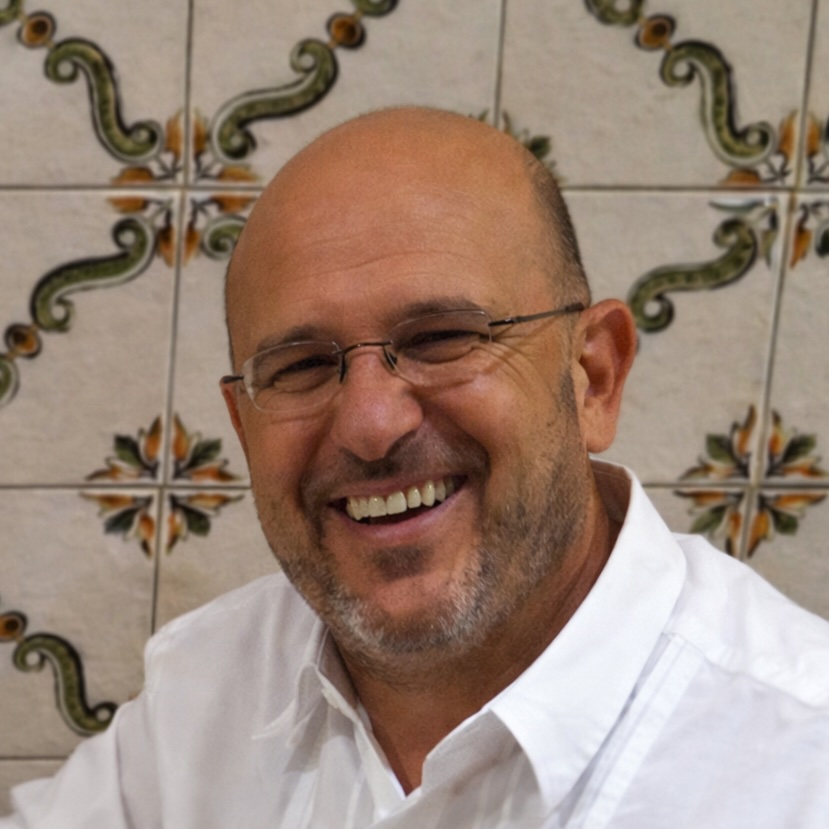
Diósnio Machado Neto
University of São Paulo (BR)
Diósnio Machado Neto is associate professor (Livre-Docente) at the University of São Paulo (EACH-USP) and a Research Productivity Fellow of Brazil’s National Council for Scientific and Technological Development (CNPq). He works in musical historiography and musical signification, with a focus on the sociocultural and political dimensions of music and the sonic arts. His research approaches music as a complex cultural system—an ecosystem of practices, knowledges, sonic environments, ecologies of listening, and circulation networks—bringing together historical musicology and the analysis of musical meaning, while working at the boundaries of the critical musicology tradition through decolonial perspectives. His work ranges from the Galant style in Luso-Brazilian contexts to recent proposals for an insurgent musicology in the Global South, with particular attention to coloniality, translocal circulation, and asymmetries of power. He coordinates LAMUS-EACH, the thematic area “Ideas” of the research project at CESEM—Universidade Nova de Lisboa, and the “Decolonial Musicology” Working Group of ARLAC-IMS.
Grant Olwage
University of the Witwatersrand, Johannesburg (ZA)
Grant Olwage is a music historian and lecturer in the Wits School of Arts, University of the Witwatersrand (Wits), Johannesburg, South Africa. He is the author of Paul Robeson’s Voices (Oxford University Press) and editor of Composing Apartheid and has written on the Black voice, race, choral cultures, and coloniality. He is currently assistant dean for undergraduate studies in the Faculty of Humanities at Wits.
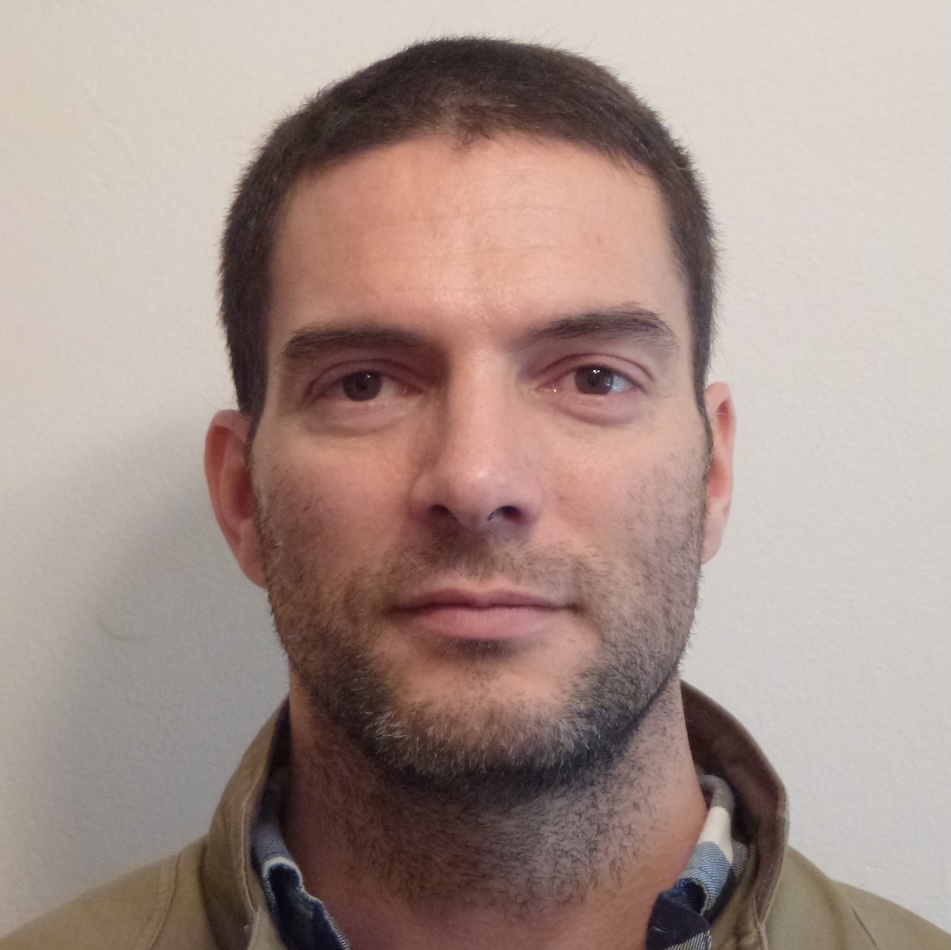
Katherine Schofield
King’s College, London (UK)
Katherine Schofield is professor of South Asian music and history at King’s College London, and head of the Department of Music. She is a fellow of the Royal Asiatic and Royal Historical Societies, recipient of a European Research Council Grant and British Academy Mid-Career Fellowship, and co-editor of Tellings and Texts: Music, Literature and Performance in North India (2015), and Monsoon Feelings: A History of Emotions in the Rain (2018). Her recent monograph, Music and Musicians in Late Mughal India: Histories of the Ephemeral, 1748–1858 (2024), was given the 2025 Otto Kinkeldey Award by the American Musicological Society.
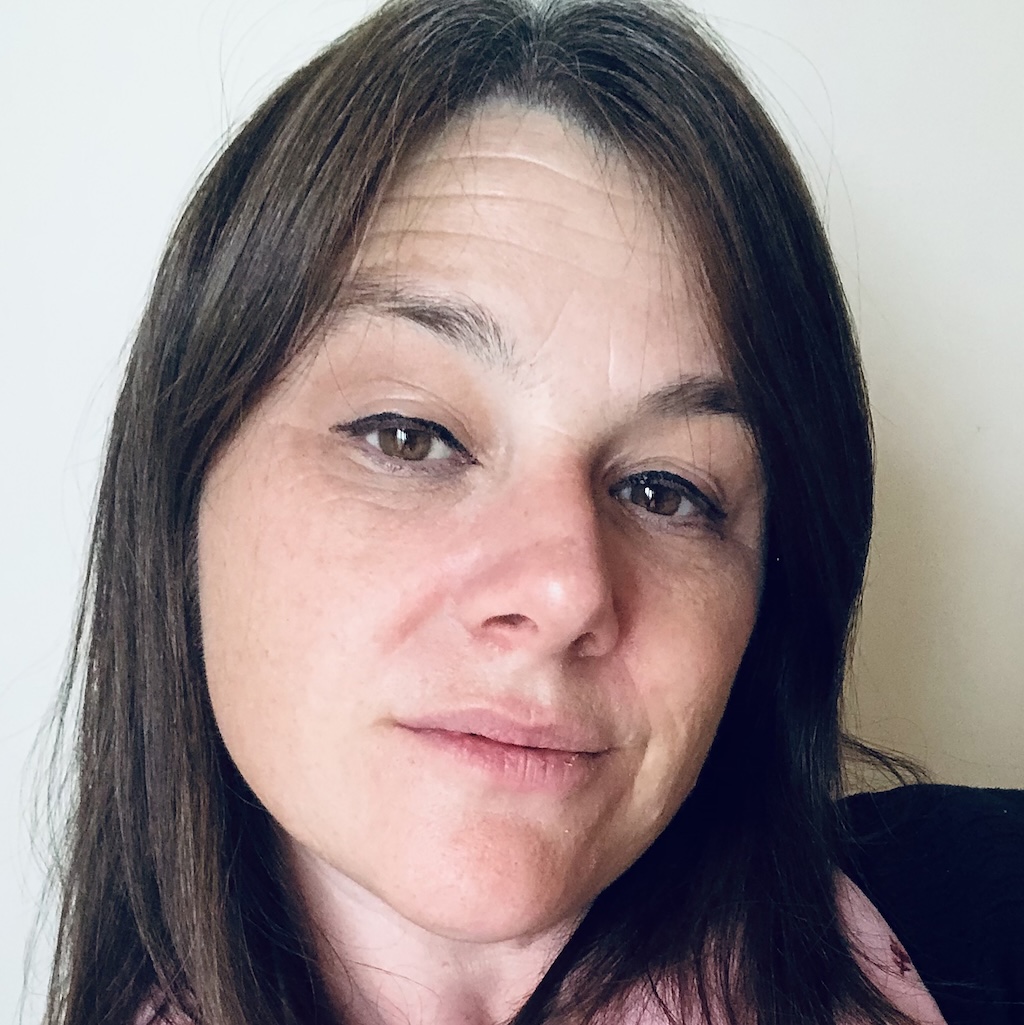

Katarina Šter
Research Centre of the Slovenian Academy of Sciences and Arts (SI)
Katarina Šter, research associate and currently the head of the Institute of Musicology at ZRC SAZU, is a researcher, performer, and lecturer. Her research focuses primarily on monastic chant traditions, performance practices, and the relationship between words and music in early vocal music. She won several Slovenian and international grants and led various research projects. Katarina published a monograph on Carthusian chant and articles on Carthusian and Franciscan traditions, on liturgical medieval music from the Slovenian lands, on late cantus fractus, and on twentieth-century song, and received awards for her dissertation and monograph. She was also the editor-in-chief of the leading Slovenian musicological journals, De musica disserenda and Musicological Annual, and continues to serve on various editorial boards and expert committees.
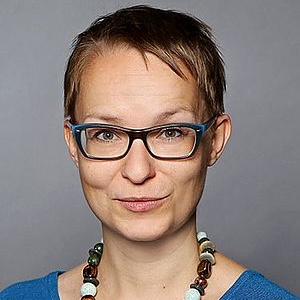
Hanna Walsdorf
University of Basel (CH)
Hanna Walsdorf is professor of musicology at the University of Basel, Switzerland. She specializes in the cultural history of music and dance in early modern Europe. Her publications include Für Gott und die Welt: Musik zu den Statuspassagen Ludwigs XIV. (1638–1638) (Beeskow, 2023), Ritual Design for the Ballet Stage: Revisiting the Turkish Ceremony in “Le Bourgeois gentilhomme” (1670)(ed., Berlin, 2019), and articles in Early Music and Bulletin du Centre de recherche du château de Versailles. She currently serves as PI of the SNSF Advanced Grant project “The Night Side of Music: Towards a New Historiography of Musicking in Europe, 1500–1800” (NightMuse, 2024–29). Among her awards are the Tanzwissenschaftspreis NRW for her contributions to dance studies (2011) and an Emmy Noether research grant (2014–20).
Yu Hui
Nanjing Normal University (CN)
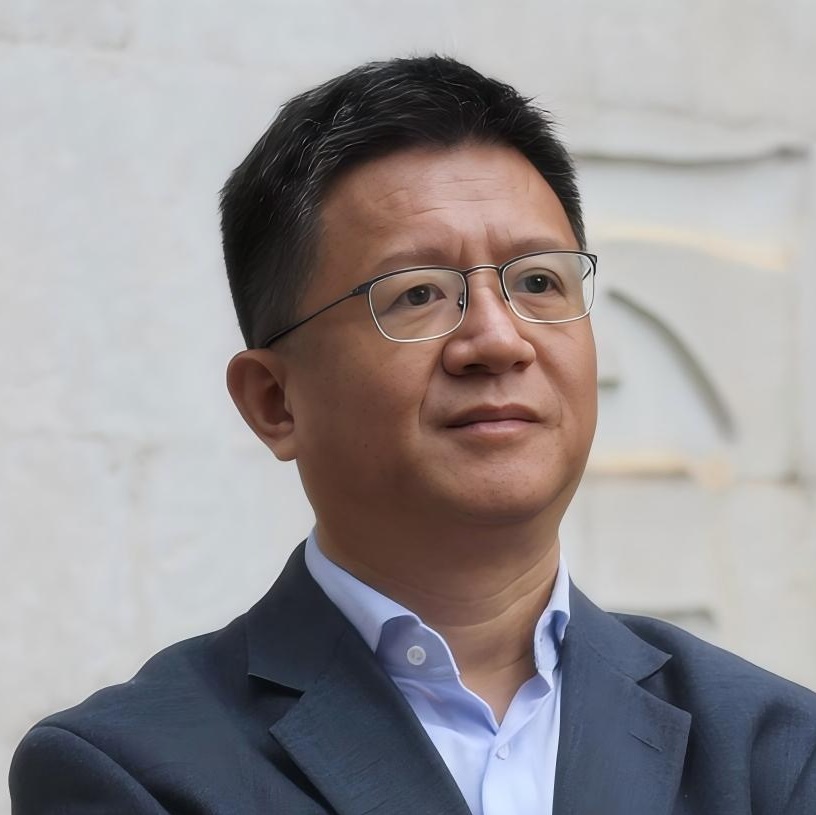
YU Hui is a Changjiang Distinguished Professor, appointed by China’s Ministry of Education at Nanjing Normal University, and the chair of the IMSEA Steering Committee (2025–29). He began his academic career in the early 1990s as a tenured faculty member at Shanghai Conservatory. After completing his PhD in ethnomusicology at Wesleyan University, he served as dean of the College of Arts at Shenyang Normal University, Ningbo University, and Yunnan University. His research spans ethnomusicology, digital musicology, and traditional Chinese music research, with publications in Chinese, English, and Russian through Oxford University Press, Palgrave Macmillan, Moscow State University Press, and leading Chinese academic publishers. His international publications include the co-edited Oxford Handbook of Music in China and the Chinese Diaspora, Traditional Chinese Music Research: An Insider’s Exploration, Oriental Music in the Digital Era, and entries in The Grove Dictionary of Musical Instruments.
IMS Bureau
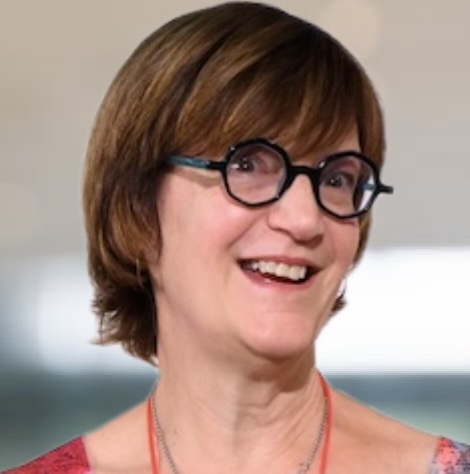
Kate van Orden
President (US)
Kate van Orden is Dwight P. Robinson Jr. Professor of Music at Harvard University. She specializes in the cultural history of early modern France and Italy, book history, and popular music (mostly sixteenth century, but also in the 1960s). Her latest project is Seachanges: Music in the Mediterranean and Atlantic Worlds, 1550–1800 (I Tatti Research Series, 2022), an edited volume on cultural mobility. Her prize-winning publications include Materialities: Books, Readers, and the Chanson in Sixteenth Century Europe (2015), and Music, Discipline, and Arms in Early Modern France (2005). Van Orden served as program committee chair for the IMS2022 Congress in Athens and is president of the IMS (2022–27). She also performs on baroque and classical bassoon, with over sixty recordings on Sony, Virgin Classics, and Harmonia Mundi.
Daniel K. L. Chua
Immediate Past President (HK)
Daniel K. L. Chua earned his PhD in musicology from Cambridge University and is currently professor of music at the University of Hong Kong. Before joining Hong Kong University to head the School of Humanities, he was a fellow and the director of studies at St. John’s College, Cambridge, and later professor of music theory and analysis at King’s College London. He was a visiting senior research fellow at Yale (2014–15), a Henry Fellow at Harvard (1992–93), and a research fellow at Cambridge (1993–97). He is the recipient of the 2004 Royal Musical Association’s Dent Medal. He is the president of the IMS (2017–22). Chua has written widely on music, from Monteverdi to Stravinsky; his publications include The “Galitzin” Quartets of Beethoven (1994), Absolute Music and the Construction of Meaning (1999), and Beethoven and Freedom (2017).


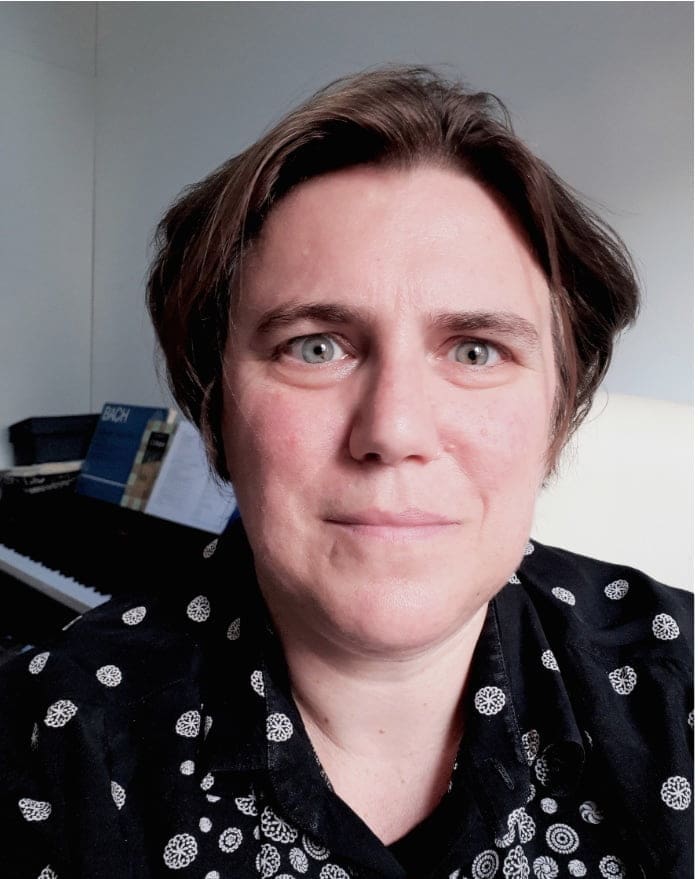

Lukas Christensen
Executive Officer (AT)
Lukas Christensen received his master’s and doctoral degrees in musicology from the University of Innsbruck, Austria. From 2009 to 2011 he was a co-opted board member of the Austrian Musicological Society and from 2010 to 2014 a research associate and project manager in the University Department of Music in Innsbruck. He has been the managing and digital editor of the peer-reviewed journal Acta Musicologica since 2012. In 2017 he became self-employed, working as an editor, copyeditor, typesetter, music engraver, and web designer for various music and non-music publishing houses.